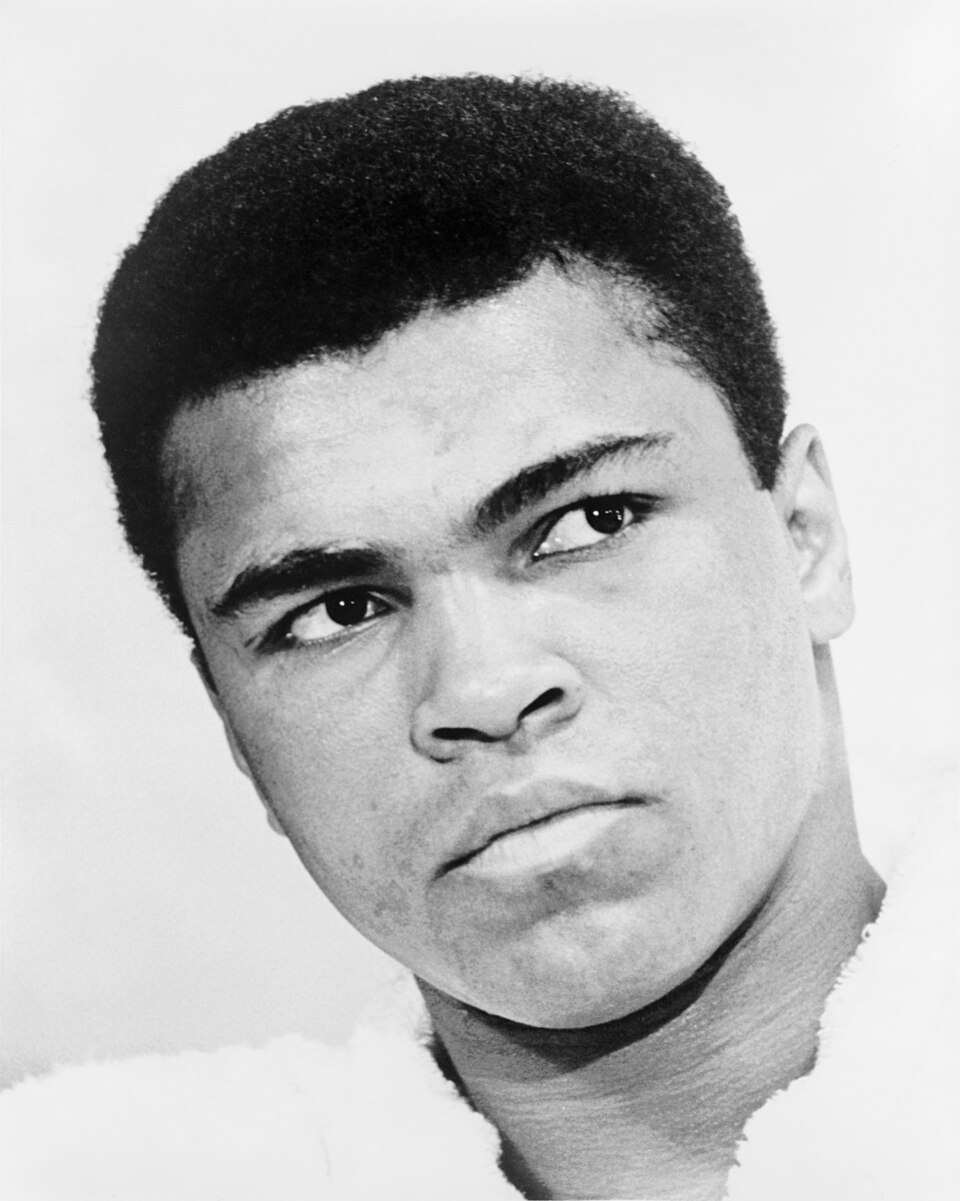
What Was Muhammad Ali's Net Worth at the Time of His Death? Unpacking a Champion's Enduring Financial Legacy
Muhammad Ali, "The Greatest," transcended the boxing ring to become a global icon whose influence reverberated far beyond sports. When he passed away in June 2016, a natural question arose: what was Muhammad Ali's net worth at the time of his death? While an exact, definitive figure on the day of his passing remains elusive in public records, various reports from his later years, combined with strategic financial moves, paint a clear picture of a robust and well-managed estate valued between $50 million and $80 million.
Ali's financial standing was not merely a reflection of his prize fighting days, which largely predated the mega-money pay-per-view events of today. Instead, his wealth grew significantly through astute brand management, intellectual property rights, and a global appeal that cemented his status as a lasting commercial commodity long after he hung up his gloves. His foresight in monetizing his unparalleled fame created a financial legacy designed to endure for generations.
The Financial Landscape of a Legend: Building Wealth Beyond the Ring
Even though Muhammad Ali's professional boxing career peaked before the astronomical purses seen in modern combat sports, his unparalleled charisma and athletic prowess laid the groundwork for a formidable financial future. Unlike many athletes who fade into obscurity post-retirement, Ali's transition from active fighter to cultural phenomenon was seamless and incredibly lucrative.
In the years leading up to his death, financial publications frequently reported on his substantial net worth. For instance, in 2006, Forbes magazine placed Ali on its prestigious Top 100 Celebrities list, citing a net worth of $55 million. This figure was not just accumulated from fight earnings but largely from his intellectual property – the right to license his iconic name, image, and famous catchphrases.
A pivotal moment in Ali's financial strategy occurred in 2006 when he made a groundbreaking deal. He sold an 80 percent stake in the rights to license his name and brand for an astounding $50 million to CKX Inc. (which later became Core Media Group and then sold the Ali business to Authentic Brands Group in 2013). This strategic move provided a significant lump sum and demonstrated the immense commercial value of his brand. Prior to this sale, Ali's intellectual property was already a powerful revenue generator, earning between $4 million and $7 million annually, as detailed by Michael Ezra, author of Muhammad Ali: The Making of an Icon. This highlights how Muhammad Ali's brand power was earning millions beyond the ring, transforming his personal fame into a durable business asset.
This approach to monetizing his brand was visionary. It ensured a stable financial foundation, diversifying his income streams beyond traditional sports endorsements. It's a masterclass in how an athlete can leverage their personal brand into a lasting, valuable enterprise, providing financial security for themselves and their families long into retirement.
The Unquantifiable Value: Ali's Cultural Icon Status as a Brand Engine
What made Ali's name so valuable, even decades after his last professional bout? It was his unique ability to transcend the sporting world and embed himself deeply into the global cultural consciousness. He was more than a boxer; he was a civil rights activist, a poet, a humanitarian, and a symbol of defiance and courage. These multifaceted dimensions amplified his appeal, making him a desirable partner for a diverse range of companies.
His collaborations were not limited to athletic apparel. While brands like Adidas and Under Armour naturally sought to align with "The Greatest," Ali's endorsement portfolio extended to unexpected giants. He partnered with automotive leader Toyota and even tech behemoth Google, which created an Android character likeness of the boxer. These diverse partnerships underscored the universal appeal of his brand, reaching consumers across demographics and industries.
In the year before his death, Under Armour launched a line of merchandise featuring Ali's pictures, slogans, and other references. Their marketing campaigns effectively utilized photos, video, and audio recordings from Ali's prime, demonstrating the timeless appeal of his image and voice. This ongoing engagement with top-tier brands illustrates that Ali's status as a cultural icon was not just about recognition; it was about sustained commercial relevance and desirability. His unwavering principles and inspiring journey gave his brand an authenticity that few celebrities achieve, making him a trusted and respected figure worldwide.
The Post-Death Surge: A Legacy Reimagined and Reignited
While reports provided a strong indication of Muhammad Ali's net worth in his later years, his passing, like that of other global legends, ushered in a new era for his brand. Sports marketing experts widely anticipated a significant surge in demand for licensed items and memorabilia, and indeed, this prediction proved accurate.
Bob Dorfman, executive creative director at Baker Street Advertising, aptly noted that Ali's death would "spark a significant increase in sales of his branded merchandise and memorabilia." This phenomenon is common for cultural icons, where their passing reignites public interest, nostalgia, and a desire to own a piece of their legacy. Fans of all ages, from those who witnessed his fights live to younger generations discovering him through documentaries and media, sought to commemorate "The Greatest."
The post-death surge isn't just a temporary spike; it's often a catalyst for sustained interest and revenue. The value of Ali's name and likeness as a commodity was reinforced and, in many ways, amplified. His image, quotes, and the stories of his life became even more potent. This resurgence ensures that his estate, now managed by his heirs, continues to generate substantial income through ongoing licensing deals, media rights, and the sale of authentic merchandise.
Practical Implications of a Lasting Legacy:
- Increased Memorabilia Value: Items signed by Ali or associated with his career saw a surge in collector's value.
- Renewed Brand Interest: Existing partners likely experienced increased sales, and new brands might seek association with his enduring image.
- Documentaries and Biopics: His death often sparks new film projects, books, and exhibitions, further monetizing his story and brand.
- Charitable Foundations: A portion of the proceeds from his estate and brand use continues to support charitable causes, extending his humanitarian legacy.
Beyond the Billions: The True Wealth of "The Greatest"
While the financial figures associated with Muhammad Ali's net worth in his later years are impressive, they only tell part of the story. Ali's true wealth lies in his indelible impact on sports, civil rights, and global culture. He used his platform not just for personal gain, but to advocate for justice, peace, and equality, inspiring millions around the world.
His courage in refusing military service, his eloquent speeches, and his unwavering belief in himself resonated with people from all walks of life. This profound and positive impact is what truly cemented his commercial value and ensured the longevity of his brand. Companies sought to align with Ali not just for his athletic fame, but for the values he represented – strength, conviction, and an unapologetic pursuit of greatness.
Therefore, when we discuss what was Muhammad Ali's net worth at the time of his death, it's essential to understand that the reported $50-80 million represents the tangible financial manifestation of an even greater intangible legacy. His name continues to be a highly valuable commodity, not just because of past achievements, but because of what he stood for and the inspiration he continues to provide.
In conclusion, Muhammad Ali passed away with a substantial and carefully managed financial legacy, estimated to be between $50 million and $80 million in his later years. This wealth was built on a foundation of exceptional brand management, strategic licensing deals, and his unparalleled status as a cultural icon. His death, far from diminishing his commercial appeal, catalyzed a surge in demand for his brand, ensuring that "The Greatest's" name and likeness will continue to be a highly valuable commodity, generating revenue and inspiring generations for many years to come.
