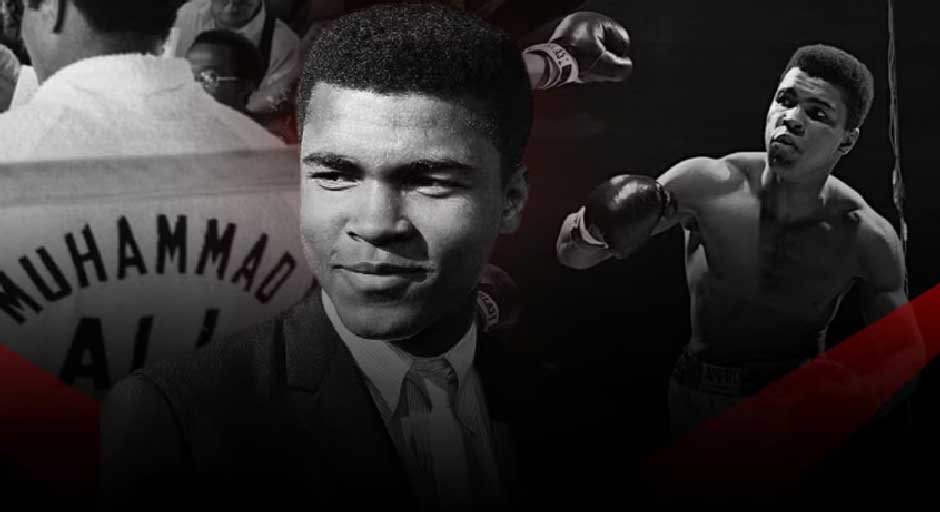
Muhammad Ali's Brand Power: Earning Millions Beyond the Ring
Muhammad Ali, "The Greatest," was more than just a boxer; he was a global phenomenon whose influence transcended the ropes of the boxing ring, impacting culture, civil rights, and even the world of commerce. While renowned for his unparalleled athleticism and captivating charisma, Ali also built an extraordinary brand that continued to generate significant wealth long after his professional fighting career concluded. Understanding
what was Muhammad Ali's net worth at the time of his death requires delving into the ingenious ways he monetized his iconic status, turning his name and likeness into a lasting financial empire.
The Financial Legacy of "The Greatest": Decoding Muhammad Ali's Net Worth
For many, Muhammad Ali's peak earning years might seem confined to his legendary boxing matches. However, his financial story is far more intricate, marked by strategic brand management and a keen understanding of his own cultural value. While pinpointing an exact, definitively reported figure for Muhammad Ali's net worth *at the precise moment of his death* in 2016 can be challenging due to the complexities of personal wealth and estate valuations, reputable sources provide strong indicators of his substantial financial standing.
Over the years, various reports placed Muhammad Ali's net worth in the impressive range of $50 million to $80 million. Notably, in 2006, Forbes, a leading authority on celebrity wealth, specifically listed his net worth at $55 million. This figure is particularly remarkable considering that Ali’s boxing prime predated the astronomically high pay-per-view purses seen in modern boxing, where fights can now command hundreds of millions of dollars for a single night, as exemplified by matchups like Floyd Mayweather vs. Manny Pacquiao. Ali's millions were amassed through a different, arguably more sustainable, model: brand power. To delve deeper into the specifics of his wealth, explore our related article:
Muhammad Ali's Net Worth: $50-80 Million Financial Legacy.
From Ring to Royalty: Building a Brand Empire
Muhammad Ali’s journey from a young Cassius Clay to a universally recognized icon was not merely a result of his boxing prowess; it was meticulously crafted through his unparalleled personality, articulate self-promotion, and unwavering convictions. He understood the power of narrative and spectacle long before marketing became a science. His famous declaration, "Float like a butterfly, sting like a bee," wasn't just a description of his fighting style; it was a potent marketing slogan that stuck with generations.
Ali’s brand transcended sports because he transcended expectations. His outspokenness on civil rights, his conversion to Islam, and his refusal to be drafted into the Vietnam War cemented his image as a man of principle and courage. These stands, while controversial at the time, ultimately elevated him beyond a mere athlete, transforming him into a cultural touchstone. This unique blend of athletic brilliance, charismatic personality, and profound social impact created a brand asset of extraordinary value—his name, image, and likeness became synonymous with excellence, defiance, and inspiration.
Companies recognized this enduring appeal. Even in his retirement years, as his health declined, Ali's popularity remained undiminished, allowing him to forge lucrative partnerships with some of the world's biggest brands. These collaborations ranged from iconic athletic apparel companies like Adidas and Under Armour, which naturally aligned with his legacy, to more unexpected and eclectic brands such as Japanese automaker Toyota and even tech giant Google, which famously featured an Android character likeness of the boxing legend. These diverse endorsements showcased the universal appeal and adaptability of the Muhammad Ali brand, proving its ability to resonate across different demographics and product categories.
The Strategic Sale of an Icon: CKX and Beyond
A pivotal moment in understanding Ali's financial strategy and his net worth came in 2006, when he made a shrewd business move that ensured his brand's continued financial success for years to come. That year, Ali sold an 80 percent stake in the rights to license his name and brand for a remarkable $50 million to CKX Inc., a company specializing in acquiring and managing intellectual property rights of iconic figures.
This transaction was a testament to the immense value of Ali's intellectual property (IP). According to Michael Ezra, author of *Muhammad Ali: The Making of an Icon*, Ali's intellectual property had already been generating between $4 million and $7 million annually in the five years leading up to the CKX sale. The deal with CKX (which later renamed itself Core Media Group and subsequently sold the Ali business to licensing powerhouse Authentic Brands Group in 2013) demonstrated a forward-thinking approach to managing celebrity wealth. By strategically divesting a majority stake, Ali secured a substantial upfront payment while also ensuring professional management and expansion of his brand's reach. It's a classic example of how iconic personalities can leverage their legacy for long-term financial security, transforming their personal brand into a valuable, marketable asset. This strategic move highlights the importance of intellectual property management for high-profile individuals, ensuring their influence translates into lasting financial returns.
The Enduring Power of a Name: Post-Death Value and Modern Collaborations
Even after Muhammad Ali's passing in 2016, his name and likeness have not only retained their value but, in many respects, have surged. Experts in sports marketing often note a phenomenon where the death of a revered icon can spark a significant increase in demand for licensed merchandise and memorabilia, as fans seek to commemorate their hero. Bob Dorfman, executive creative director at Baker Street Advertising, succinctly stated this sentiment, anticipating Ali's death would "spark a significant increase in sales of his branded merchandise and memorabilia," affirming that "His name and likeness will continue to be a highly valuable commodity for many years to come."
Brands continue to tap into Ali's timeless appeal. Just a year before his passing, Under Armour rolled out a compelling line of T-shirts and other gear emblazoned with pictures, slogans, and other references to the boxer. Their marketing campaign brilliantly utilized archival photos, video, and audio recordings from Ali in his prime, connecting a new generation with the indelible spirit of "The Greatest." This strategy demonstrates the lasting power of an authentic brand narrative and the ability of an icon's legacy to transcend generations.
The enduring demand for Muhammad Ali merchandise and the continued willingness of major brands to associate themselves with his image underscore a crucial lesson in personal branding: authenticity, impact, and a consistent message create a legacy that outlives the individual. Ali's story teaches us that true brand power comes from a foundation of character and cultural significance, not just fleeting athletic achievements. His financial success beyond the ring wasn't an accident; it was a testament to the enduring power of his unique persona and the strategic management of his iconic identity. Learn more about this lasting impact here:
Ali's Name: A Lasting Commodity and Post-Death Value Surge.
Conclusion
Muhammad Ali's financial journey is a compelling narrative of how a sporting legend built a brand that continued to earn millions far beyond his active career. While an exact figure for his net worth at the time of his death is subject to the complexities of estate valuation, reports consistently placed his wealth in the impressive range of $50 million to $80 million, a fortune primarily built on the strategic monetization of his unparalleled name, image, and likeness. Through astute business decisions, such as the sale of his intellectual property rights, and enduring partnerships with global brands, Ali ensured his legacy remained a powerful economic force. "The Greatest" proved that true impact extends beyond fleeting triumphs, creating a brand that continues to inspire, resonate, and generate value across generations, solidifying his place not only as a boxing titan but also as a master of personal branding.