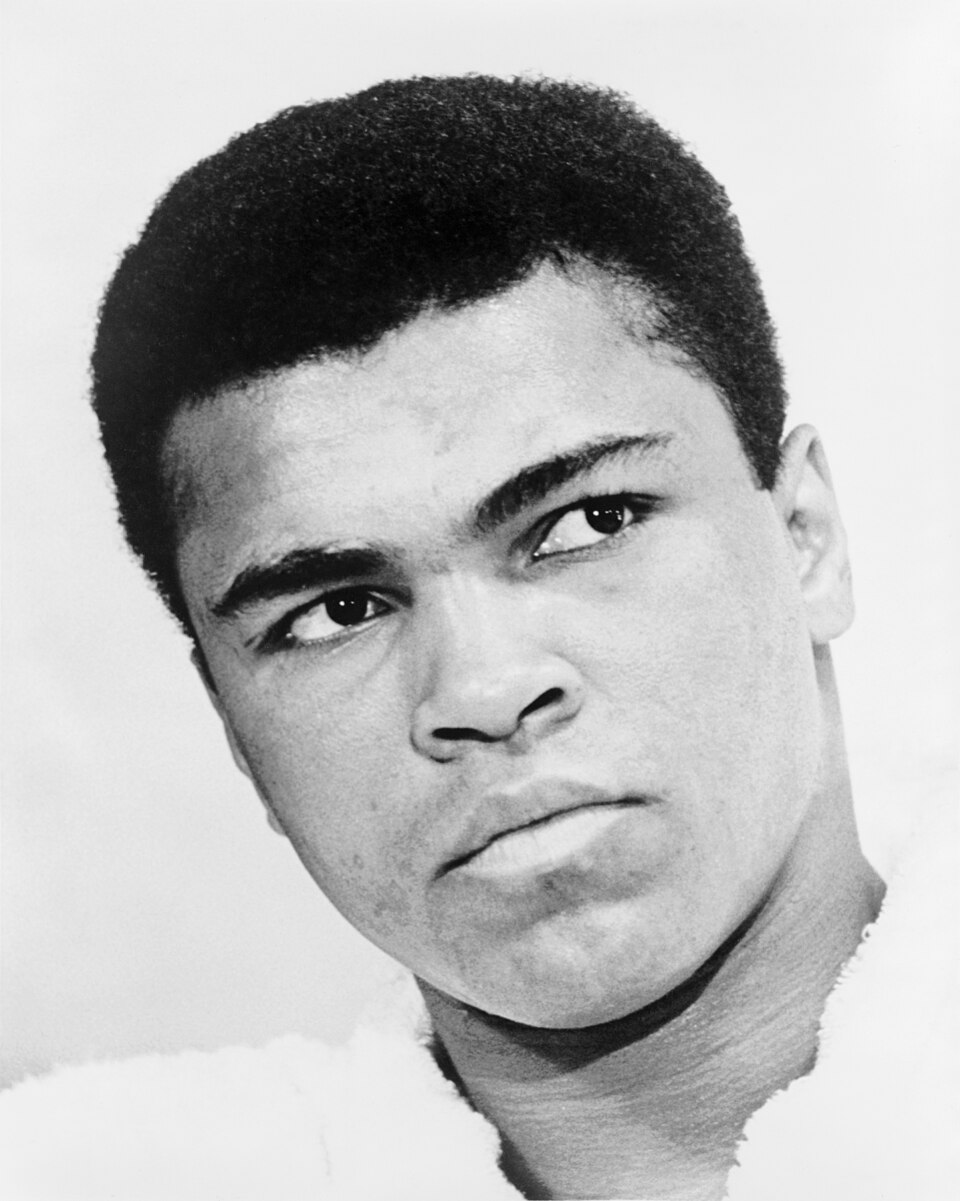
The Financial Legacy of "The Greatest": What Was Muhammad Ali's Net Worth at the Time of His Death?
Muhammad Ali, revered globally as "The Greatest," transcended the world of boxing to become an enduring cultural icon. While his legendary fights cemented his place in sports history, his financial legacy tells an equally compelling story – one not solely built on knockout punches, but on the astute management and immense appeal of his personal brand. When he passed away in 2016, various credible sources estimated Muhammad Ali's net worth to be between **$50 million and $80 million**, a testament to his sustained commercial power long after his gloves were hung up.
Unlike today's mega-fights that see boxers earning hundreds of millions in a single night, Ali's era predated the colossal pay-per-view deals that define modern boxing. His financial success was therefore forged through a different kind of championship: transforming his name, image, and unparalleled charisma into a robust and lasting revenue engine. This significant net worth reflects decades of strategic brand partnerships, intellectual property management, and a global celebrity status that remained undimmed by time or illness.
Beyond the Ring: How Ali's Brand Became a Financial Juggernaut
Muhammad Ali's journey from a formidable boxer to a global brand powerhouse is a masterclass in celebrity endorsement and intellectual property management. His influence stretched far beyond the ropes, allowing him to cultivate a financial portfolio that few athletes of his generation could rival.
His distinctive personality, unwavering principles, and powerful voice resonated with millions worldwide, making him an incredibly attractive figure for various brands. Ali's ability to "float like a butterfly, sting like a bee" wasn't just a metaphor for his boxing style; it encapsulated his dynamic appeal that translated into substantial commercial value. His charisma, defiance, and inspirational journey made him more than just an athlete; he was a symbol of strength, integrity, and resilience.
This unique blend of athletic prowess and cultural significance enabled him to forge lucrative collaborations with a diverse array of companies. His name and likeness appeared on products from:
- Athletic Apparel Giants: Companies like Adidas and Under Armour recognized the timeless appeal of Ali, leveraging his image, iconic quotes, and vintage footage to promote their lines. Under Armour, for instance, launched an extensive range of T-shirts and gear emblazoned with his pictures and slogans, using his heyday imagery to market to new generations.
- Automotive Industry: Toyota, a global leader, partnered with Ali, underscoring his worldwide recognition and mass appeal.
- Tech Innovators: Even tech giant Google utilized his iconic status, featuring an Android character likeness of the boxer, demonstrating his broad cultural footprint.
These partnerships weren't merely transactional; they were a reflection of Ali's enduring resonance. Brands sought to associate themselves with his authenticity and inspirational narrative. For a deeper dive into how his persona translated into profit, explore
Muhammad Ali's Brand Power: Earning Millions Beyond the Ring. Before a pivotal strategic move in 2006, Ali's intellectual property – his name, image, and famous phrases – was already generating between $4 million and $7 million annually, showcasing its immense inherent value.
The Strategic Sale of an Empire: CKX and Beyond
A pivotal moment in solidifying Muhammad Ali's long-term financial stability and managing his brand's future came in 2006. In a landmark deal, Ali sold an 80 percent stake in the rights to license his name and brand for a staggering **$50 million to CKX Inc.** This transaction was a masterstroke, transforming his fluid annual licensing earnings into a significant lump sum and a structured future revenue stream.
This move was not just about immediate financial gain; it was a strategic decision to ensure the professional management and sustained global presence of his legacy. At the time, Forbes recognized this financial acumen, listing Ali on its Top 100 Celebrities list with a reported net worth of $55 million, largely boosted by this sale.
The sale to CKX Inc. (which later rebranded as Core Media Group) demonstrated the forward-thinking approach to managing a celebrity's intellectual property. While the ownership of his licensing business subsequently changed hands again, moving to Authentic Brands Group in 2013, the initial CKX deal set a precedent. It highlighted the immense, quantifiable value of Ali's non-athletic assets and provided a clear framework for how his brand would continue to thrive for decades. This proactive management ensured that even as Ali battled Parkinson's disease, his financial empire remained robust, professionally managed, and strategically positioned for future growth.
A Lasting Legacy: Post-Death Value and Enduring Appeal
Muhammad Ali's passing in 2016, while a moment of profound sadness for millions, also underscored the timeless power of his brand. Sports marketing experts universally anticipated a significant surge in demand for licensed items and memorabilia, and they were right. His death solidified his legendary status, transforming him from a living icon into an immortal figure whose impact only intensified.
Bob Dorfman, executive creative director at Baker Street Advertising, accurately predicted that Ali's death would "spark a significant increase in sales of his branded merchandise and memorabilia," emphasizing that "his name and likeness will continue to be a highly valuable commodity for many years to come." This assessment speaks to a fundamental truth about truly transcendent figures: their value often appreciates posthumously, as their life story and achievements become part of collective human heritage.
Today, Ali's image, his quotes, and his indomitable spirit continue to inspire across generations. Brands still seek to align with his values, his fight for justice, and his unwavering confidence. The cultural resonance of "The Greatest" ensures that his commercial appeal remains strong, driving sales of everything from sports apparel to collectible items. His name is synonymous with excellence, courage, and a powerful voice for change, making him a universally respected figure whose commercial potential shows no signs of waning. To understand more about this ongoing commercial power, read
Ali's Name: A Lasting Commodity: And Post-Death Value Surge.
His financial journey offers valuable insights for any public figure:
- The Power of Personal Brand: Ali proved that charisma and a compelling narrative can be as financially valuable as raw talent.
- Strategic Intellectual Property Management: Protecting and monetizing one's name, image, and slogans is crucial for long-term financial security.
- Legacy Planning: The 2006 sale was a forward-thinking move that secured his family's future and ensured his brand's professional stewardship.
Conclusion
Muhammad Ali's net worth, estimated between $50 million and $80 million at the time of his death, is a testament not just to his unparalleled boxing career but, more significantly, to his extraordinary ability to cultivate and sustain a powerful personal brand. Far from relying solely on fight purses, Ali masterfully transitioned his iconic status into a robust financial legacy through strategic endorsements, intellectual property management, and a timeless appeal that continues to resonate globally. His story remains a powerful example of how a true cultural icon can generate enduring value, proving that "The Greatest" was not only a champion in the ring but also a master strategist in building a lasting financial empire.